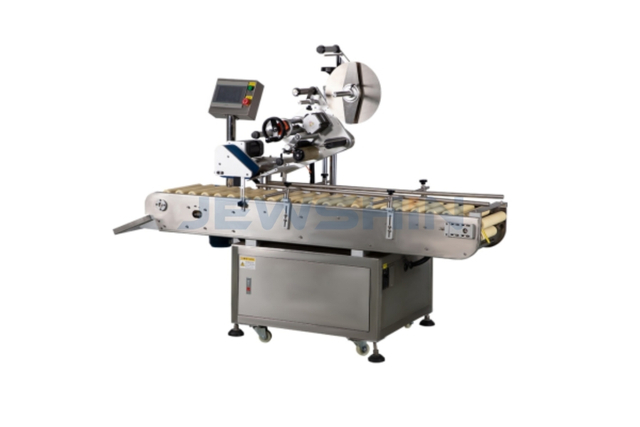
Quality control allows elite packaging machinery manufacturers to maintain machine accuracy, reduce production interruptions, and meet international customer requirements. In 2023, the global packaging machinery market exceeded USD 50 billion, while manufacturers faced increasing demand for equipment with higher speed, lower downtime, and longer service life. Companies with structured quality systems often reduce manufacturing defects by more than 30% compared with suppliers relying mainly on final inspection.
Packaging machinery performance depends on thousands of connected parts, including motors, sensors, control systems, mechanical structures, and precision components. A small manufacturing error can affect filling accuracy, sealing quality, or product alignment during continuous production. In high-speed production lines operating 24 hours a day, even a 1% error rate can create thousands of defective packages within a short period.
Quality control starts before machine assembly. Professional manufacturers carefully evaluate raw materials, component suppliers, and machining processes. Stainless steel frames, pneumatic systems, electronic modules, and transmission parts must meet strict requirements before entering production. Many global manufacturers follow ISO 9001 quality management systems, which have been widely adopted since the standard was introduced in 1987.
“A reliable machine is created through hundreds of controlled manufacturing steps, not through final inspection alone.”
Supplier management is one of the first areas where quality differences appear. Elite manufacturers usually require suppliers to provide material certificates, production records, and inspection data. Components are checked for size accuracy, surface quality, and durability before being installed.
| Inspection Area | Common Testing Method | Purpose |
|---|---|---|
| Metal parts | Dimensional measurement | Confirm machining accuracy |
| Electrical components | Performance testing | Check stability and safety |
| Sensors | Response testing | Maintain detection accuracy |
| Motors | Running evaluation | Ensure long-term operation |
This process helps manufacturers prevent equipment problems before machines reach customers. A packaging system built with inconsistent parts may work during initial testing but experience repeated failures after months of operation.
Precision manufacturing further improves equipment reliability. Modern packaging machinery often requires extremely accurate movement because production speeds continue increasing. Machines used for bottles, cartons, food packages, and pharmaceutical products may process hundreds of units per minute.
For example, labeling and sleeve labeling machines require accurate positioning between containers, labels, sensors, and mechanical movement systems. A small positioning difference can cause label misalignment, material waste, and reduced production efficiency.
Advanced manufacturers use CNC machining, automated measurement systems, and digital inspection tools to maintain consistent production quality. Some mechanical parts require tolerance control within very small ranges to ensure stable operation over millions of cycles. According to industrial equipment studies, preventive quality management can reduce unexpected equipment downtime by 20%–40%.
The same quality requirements apply to machine assembly. Even when individual components meet specifications, incorrect installation can reduce overall performance. Assembly teams must verify alignment, fastening strength, electrical connections, and software settings.
Many international manufacturers perform factory acceptance tests before shipment. These tests often include continuous operation for several hours or days under simulated production conditions. In some industries, machines are tested with customer materials to confirm that the equipment performs correctly in real working environments.
“Factory testing reduces the difference between laboratory performance and daily production conditions.”
Quality control becomes more demanding when packaging machinery serves regulated industries. Pharmaceutical, food, and healthcare companies require equipment that meets strict hygiene and safety standards. Packaging machines must support clean operation, accurate control, and reliable documentation.
The pharmaceutical sector provides a clear example. Equipment used for medicine packaging must maintain consistent performance because packaging errors may affect product quality. Manufacturers often apply validation procedures, traceable component records, and repeated testing before equipment approval.
Food packaging equipment faces similar requirements. Machines must handle different materials while preventing contamination and maintaining stable production. Research from manufacturing industries shows that automated quality inspection systems can improve defect detection rates by over 90% in some applications.
Automation development has increased the importance of software and electronic quality control. Modern packaging machines combine mechanical systems with sensors, industrial controllers, robotics, and machine vision technology. Each part must communicate correctly to maintain production accuracy.
Machine vision systems, for example, inspect package appearance, label position, and product presence during operation. If detection accuracy decreases, defective products may pass through the production line. Manufacturers therefore test software performance under different speeds, lighting conditions, and material changes.
A well-designed quality system also includes long-term machine monitoring after delivery. Leading manufacturers collect information from customer operations to improve future equipment designs. Maintenance records, component replacement data, and production feedback help engineers identify areas for improvement.
Predictive maintenance technologies are becoming more common in packaging equipment. Sensors can measure vibration, temperature, motor conditions, and operating performance. According to industrial maintenance research, predictive approaches may reduce maintenance costs by approximately 10%–30% compared with traditional schedules.
Customer expectations have also changed. Buyers no longer focus only on purchase price; they evaluate machine stability, operating costs, maintenance requirements, and production consistency. A machine with a higher initial price may provide better long-term performance if it operates reliably for 10 years with fewer interruptions.
| Evaluation Factor | Why Customers Consider It |
|---|---|
| Production stability | Maintains consistent output quality |
| Machine lifespan | Reduces replacement frequency |
| Maintenance needs | Controls operating expenses |
| Technical support | Improves long-term usability |
Packaging machinery manufacturers that invest in quality control can build stronger relationships with international customers. Companies in Europe, North America, and other developed markets often select suppliers based on reliability records, certification systems, and previous project experience.
Quality control also supports continuous product improvement. Manufacturers analyze production results, customer feedback, and equipment performance to update designs. Improvements may include stronger materials, better software control, improved energy efficiency, and easier maintenance access.
Since 2020, many manufacturers have increased investment in digital production management and automated inspection systems. These technologies help companies monitor manufacturing consistency and maintain stable output as product requirements become more complex.
“The quality of a packaging machine is measured by how consistently it performs after thousands of production hours.”
Elite packaging machinery manufacturers succeed because they treat quality control as part of the entire manufacturing process. From material selection and precision machining to assembly testing and customer support, each stage affects final machine performance.
As packaging industries continue adopting automation, companies with strong quality systems will remain better prepared to provide reliable equipment for global markets. Consistent manufacturing standards, accurate testing methods, and continuous improvement allow packaging machinery to meet higher expectations in food, pharmaceutical, cosmetic, and consumer product industries.